Xylanase for Biomass Pretreatment and Plant Fiber Conversion
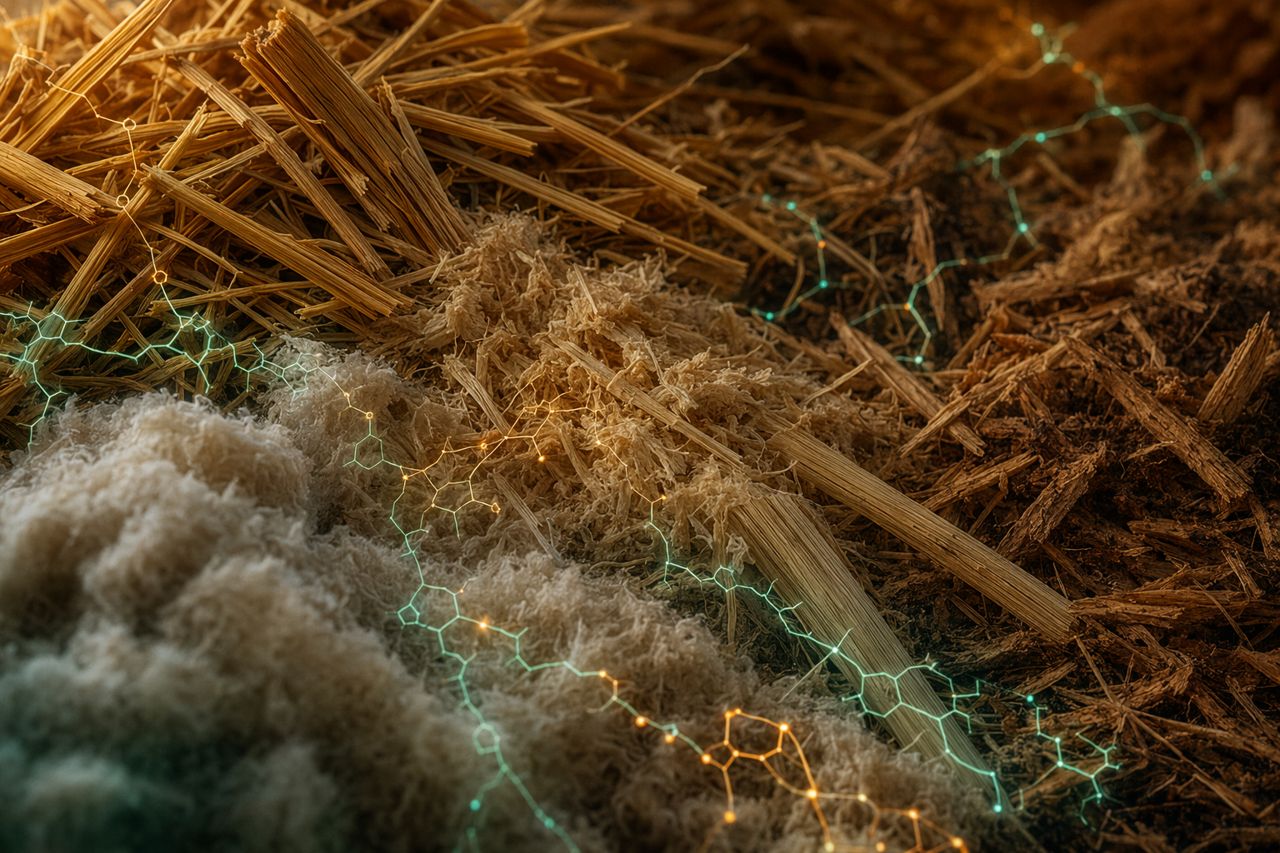
Lignocellulosic biomass is not one material. Wheat straw, sugarcane bagasse, corn fiber, palm residues, hardwood chips, softwood residues, and mixed agricultural by-products each carry a different balance of cellulose, hemicellulose, lignin, ash, extractives, and process inhibitors.
Buying for production or resale? We supply xylanase for biomass pretreatment and hydrolysis to biorefineries, technology developers and resellers on a quote basis; send the feedstock, quantity and destination. Request a quote.
Xylanase Enzyme Solutions supplies Xylanase (endo-1,4-β-xylanase) for operations that need controlled hemicellulose disruption without treating biomass as a black box. The enzyme targets the xylan backbone within plant cell-wall hemicellulose, helping open fiber architecture, lower slurry resistance, and improve downstream access in biomass conversion and valorization processes.
What xylanase does in biomass processing
Xylanase hydrolyzes internal linkages in xylan-rich hemicellulose. In practical plant-fiber systems, that can support:
- Fiber opening in straw, bagasse, corn fiber, bran, husks, and wood-derived residues
- Lower slurry viscosity and improved mixing behavior in wet pretreatment trains
- Improved accessibility of cellulose and other structural carbohydrates to follow-on processing
- Partial solubilization of hemicellulose into process liquor for downstream separation or conversion
- Reduced mechanical severity in refining, pulping, milling, or extraction steps where enzyme-assisted opening is viable
- Cleaner fractionation logic when the objective is to separate cellulose-rich solids from hemicellulose-rich liquors
The commercial value is not simply “more breakdown.” It is better control over where the plant cell wall opens, how fast the slurry responds, and how the next unit operation performs.
Where it fits in the process
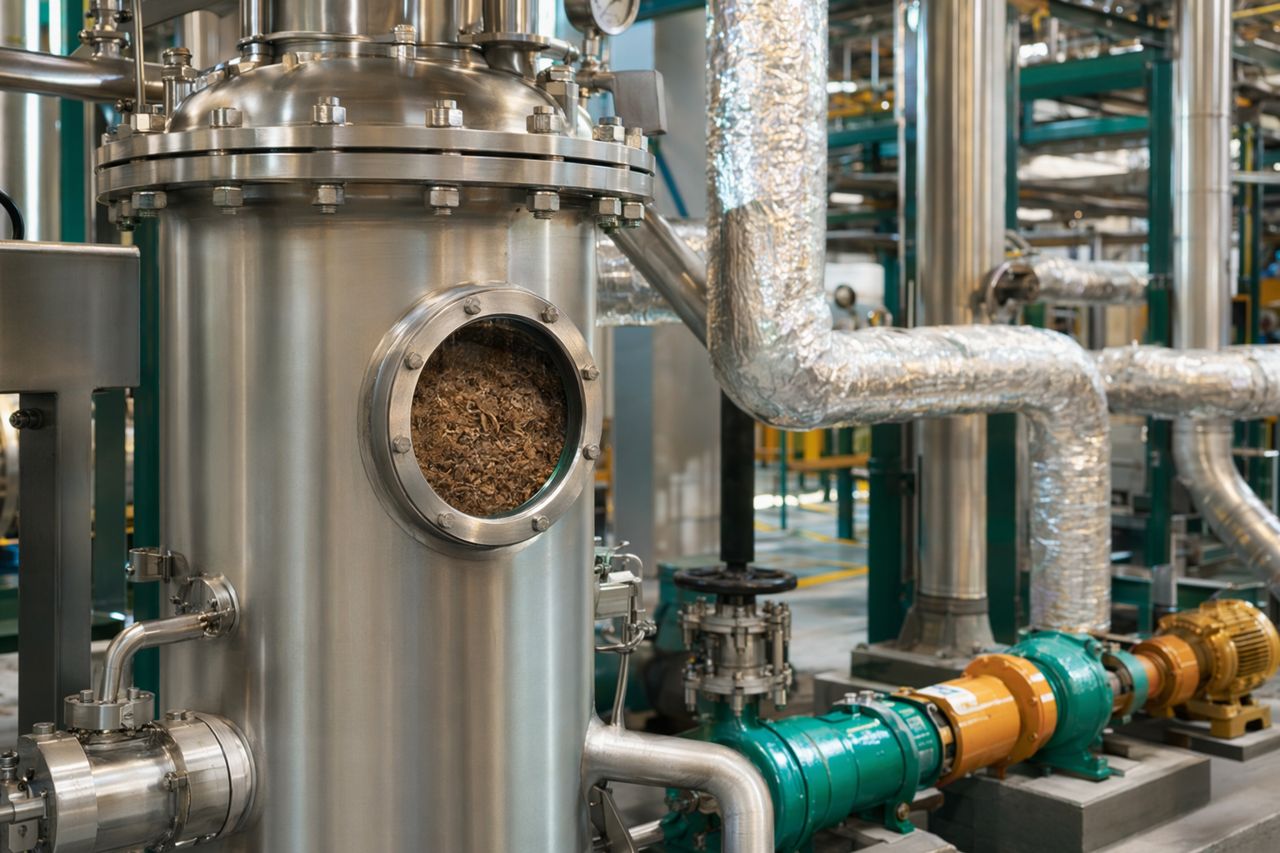
Xylanase can be evaluated at several points in a biomass workflow. The right location depends on the feedstock, solids loading, temperature profile, residence time, pH window, shear, and whether the site prioritizes sugar release, fiber modification, extractability, or downstream filtration.
Common integration points
-
After size reduction
Used after milling, chopping, shredding, or refining to begin enzymatic opening of exposed fiber surfaces. -
After thermal, alkaline, or hydrothermal pretreatment
Applied when hemicellulose is more accessible and the process needs additional viscosity reduction, solubilization, or fiber loosening. -
Before cellulose-focused hydrolysis
Used to reduce xylan-related shielding and improve access for downstream enzyme systems or conversion steps.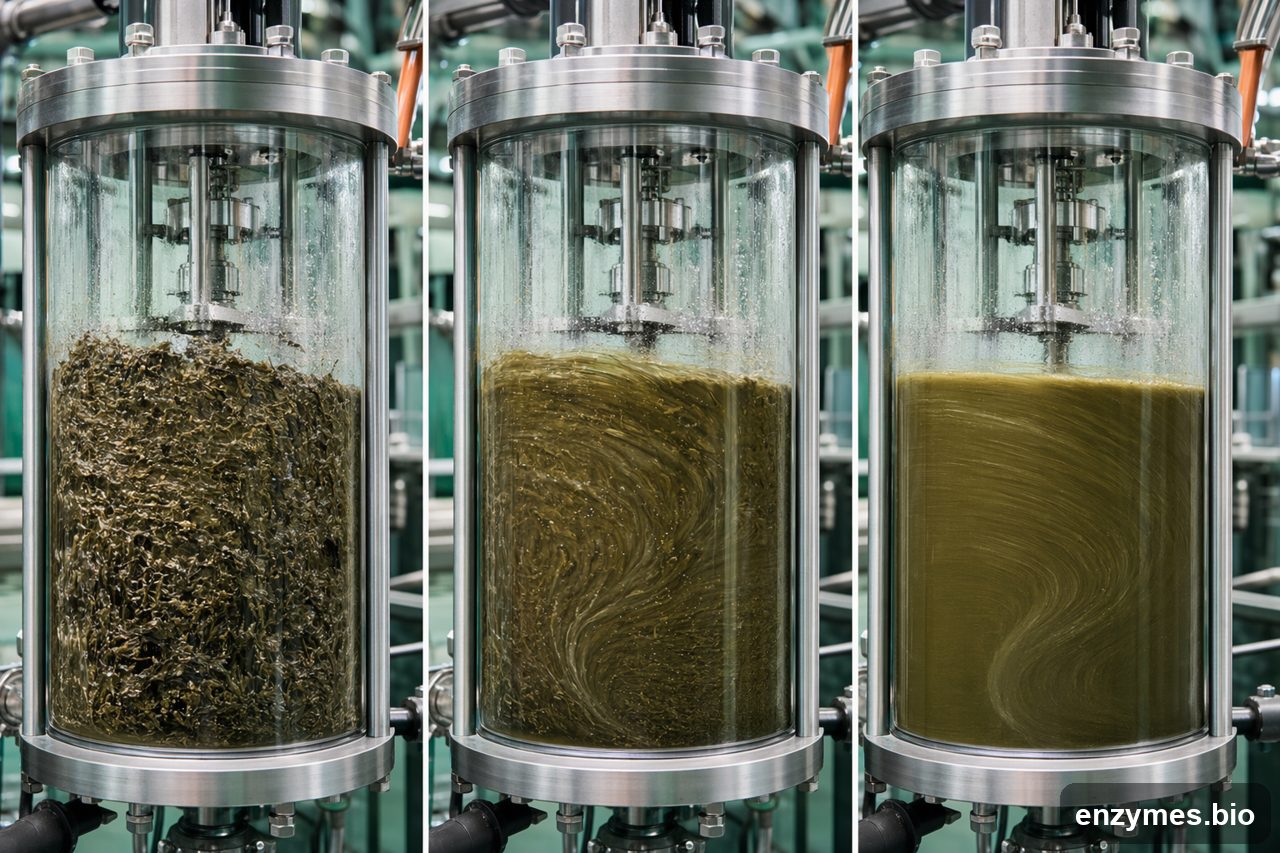
-
In fiber valorization lines
Used where the goal is modified fiber, improved drainage, enhanced extractability, or a more processable plant-residue fraction. -
In pilot-scale optimization
Used by R&D and process engineering teams to define feedstock-specific response curves before committing to plant-scale dosing strategy.
Feedstocks that commonly benefit
Xylanase is relevant to xylan-containing lignocellulosic streams, including:
- Wheat straw, rice straw, barley straw, and other cereal residues
- Sugarcane bagasse and cane processing residues
- Corn fiber, corn stover, and cob-derived fractions
- Wheat bran, arabinoxylan-rich by-products, and cereal processing side streams
- Hardwood residues, pulp streams, and selected wood-derived fibers
- Palm, hemp, flax, and other agricultural fiber residues
- Mixed biomass streams where hemicellulose contributes to viscosity, shielding, or poor extractability
Because biomass variability is significant, application work should be built around the actual site material, not a generic reference substrate.
Commercial outcomes buyers usually care about
Lower viscosity and better handling
High-solids biomass slurries can limit pumping, mixing, heat transfer, and residence-time control. Selective xylan hydrolysis can reduce network strength and improve flow behavior, especially when xylan-rich hemicellulose is a major contributor to water binding and slurry structure.
Improved access to structural carbohydrates
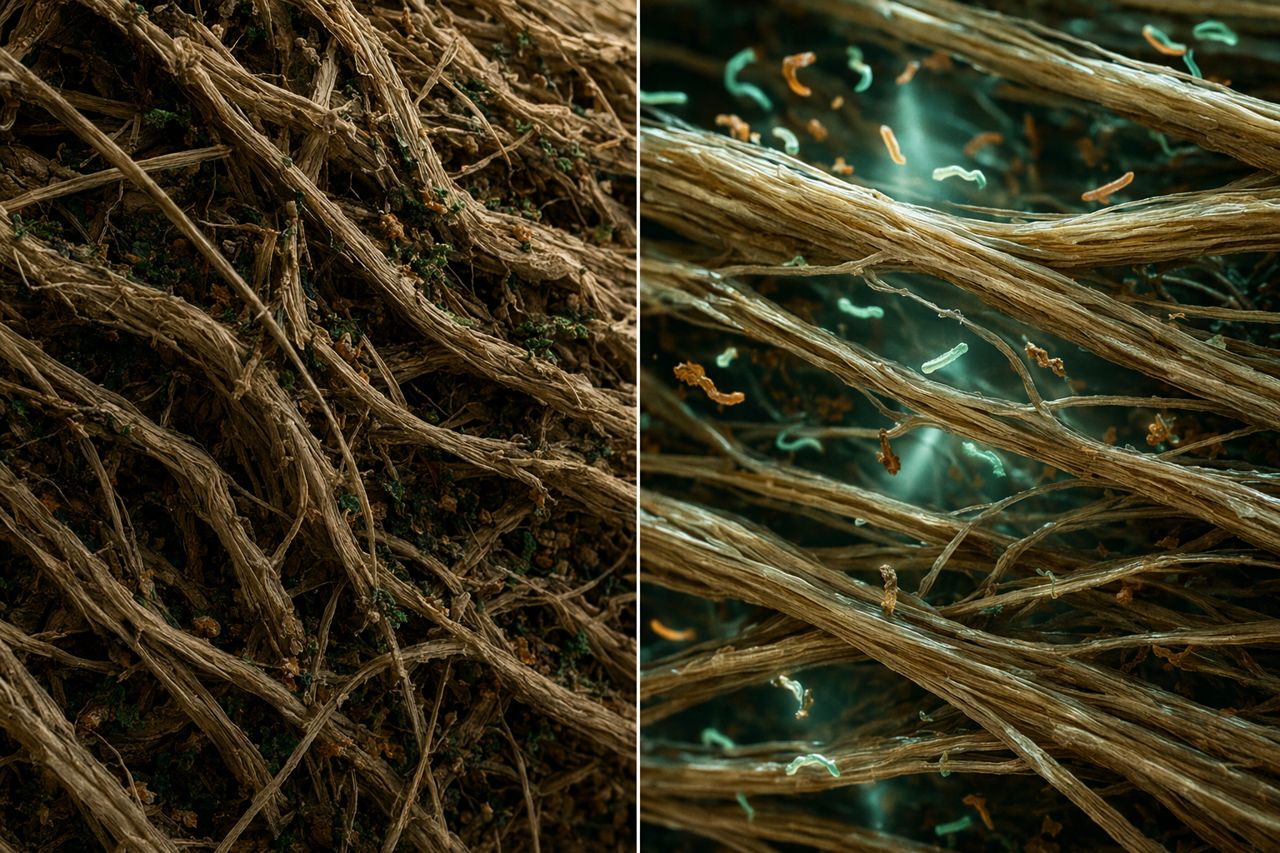
In many biomass systems, xylan and associated hemicellulose form part of the barrier around cellulose microfibrils. Xylanase can help open that barrier so downstream processing sees a more accessible substrate.
More useful hemicellulose streams
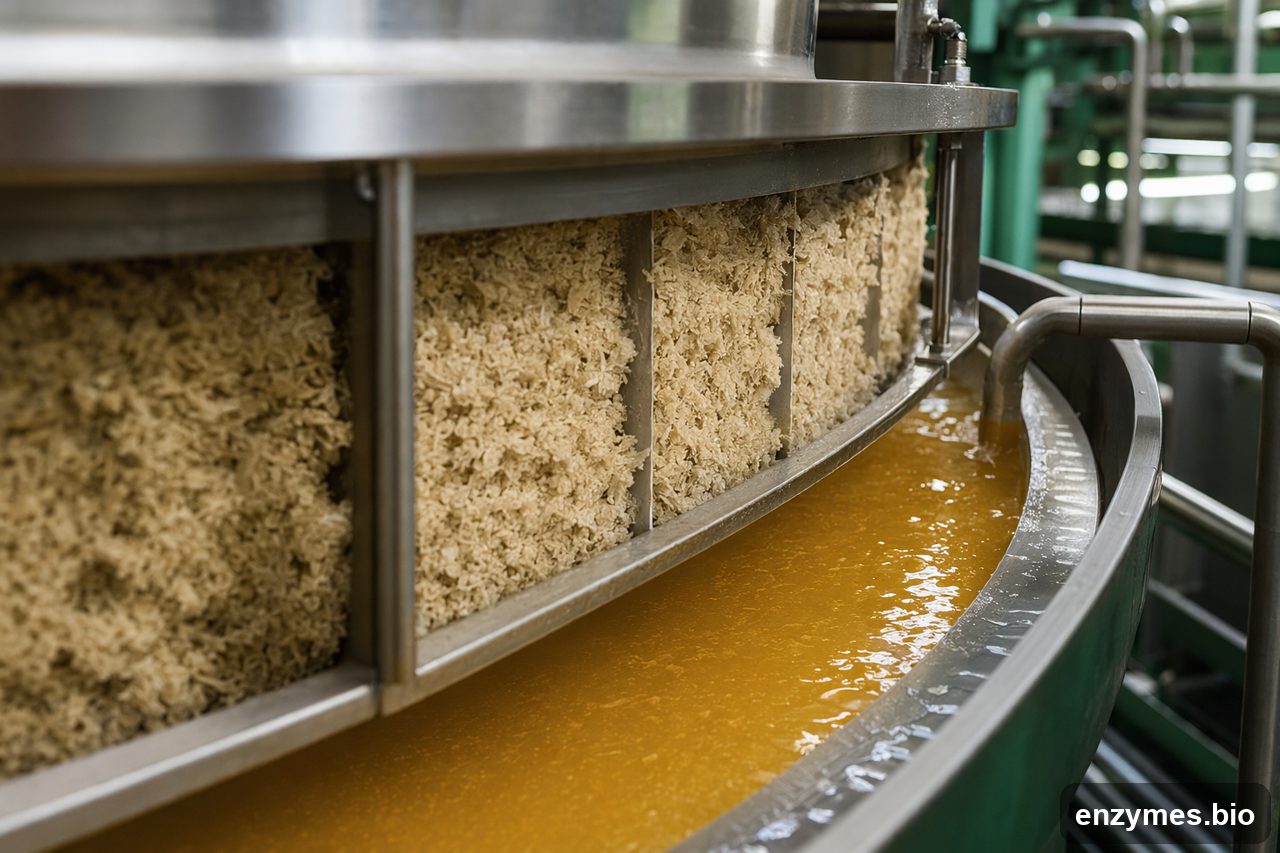
For fractionation-focused processes, xylanase may help move hemicellulosic material into the liquid phase under milder conditions. That can support downstream recovery, fermentation, catalytic upgrading, or formulation work depending on the plant’s target product slate.
Potential reduction in mechanical or chemical severity
Where the process currently relies heavily on refining intensity, harsh chemical conditions, or long residence times to open biomass, enzyme-assisted treatment may create room for optimization. The goal is not to replace engineering discipline; it is to give the process another controllable lever.
Technical considerations for evaluation
Xylanase performance depends on feedstock chemistry and process conditions. A useful trial plan should define:
- Feedstock type, harvest/source variability, storage condition, and particle size
- Pretreatment history, including thermal, alkaline, acidic, oxidative, or mechanical steps
- Solids loading and water availability
- pH and temperature during enzyme contact
- Residence time available before the next unit operation
- Mixing quality and shear environment
- Target response: viscosity drop, soluble hemicellulose, sugar profile, filterability, fiber morphology, downstream conversion, or total process economics
- Compatibility with other enzymes, chemicals, preservatives, surfactants, antifoams, or process aids
A strong application program does not start with enzyme alone. It starts with the constraint: pumping limit, poor hydrolysis response, excessive refining energy, low extractability, filtration bottleneck, or unstable feedstock response.
Product positioning
Xylanase is supplied for industrial and pilot-scale process development where xylan modification is a defined requirement. Typical buyer profiles include:
- Biomass conversion companies
- Biorefinery process developers
- Agricultural residue valorization projects
- Fiber and pulp technology teams
- Bio-based materials manufacturers
- Contract R&D and scale-up groups
- Ingredient and side-stream upgrading teams
We support qualification discussions around application fit, format preference, logistics, regulatory documentation, and scale-up planning. Detailed performance evaluation should be carried out using the buyer’s own biomass, process water, pretreatment chemistry, and operating targets.
Formulation and supply questions to settle early
Before scale-up, confirm the practical details that affect plant handling:
- Liquid or dry format preference
- Storage temperature and shelf-life expectations
- Packaging size and dosing-system compatibility
- Process pH and temperature exposure
- Contact time available at plant scale
- Cleaning and sanitation constraints
- Co-use with cellulase, hemicellulase blends, pectinase, mannanase, or auxiliary enzyme systems
- Documentation needs for internal QA, purchasing, import, or customer files
How to run a meaningful trial
A biomass xylanase trial should be designed around measurable process movement, not only laboratory hydrolysis numbers.
Suggested trial endpoints
- Slurry viscosity or torque change
- Pumpability, mixing load, or recirculation behavior
- Liquid-solid separation rate
- Soluble hemicellulose or reducing carbohydrate trend
- Fiber morphology or drainage behavior
- Downstream cellulose accessibility
- Chemical demand or mechanical energy comparison
- Final product yield, quality, or conversion efficiency
Run controls against the same feedstock lot whenever possible. Biomass can shift by field, season, storage, and pretreatment history; trial design should isolate enzyme effect from raw-material drift.
Why Xylanase Enzyme Solutions
Xylanase Enzyme Solutions is built for buyers who need xylanase framed as an industrial processing tool, not a catalog abstraction. Our application guidance is specific to plant-fiber systems: where xylan sits in the matrix, how it affects slurry behavior, and how enzyme treatment can be tested against real manufacturing constraints.
If your team is evaluating xylanase for biomass pretreatment, fiber conversion, or lignocellulosic fractionation, we can help define the supply and qualification path.
Request pricing or discuss a biomass trial
Use the form below to request a quote, get pricing, or ask for a technical supply discussion for your feedstock and process window.