Xylanase for Distilling Mash and Bioethanol Feedstocks
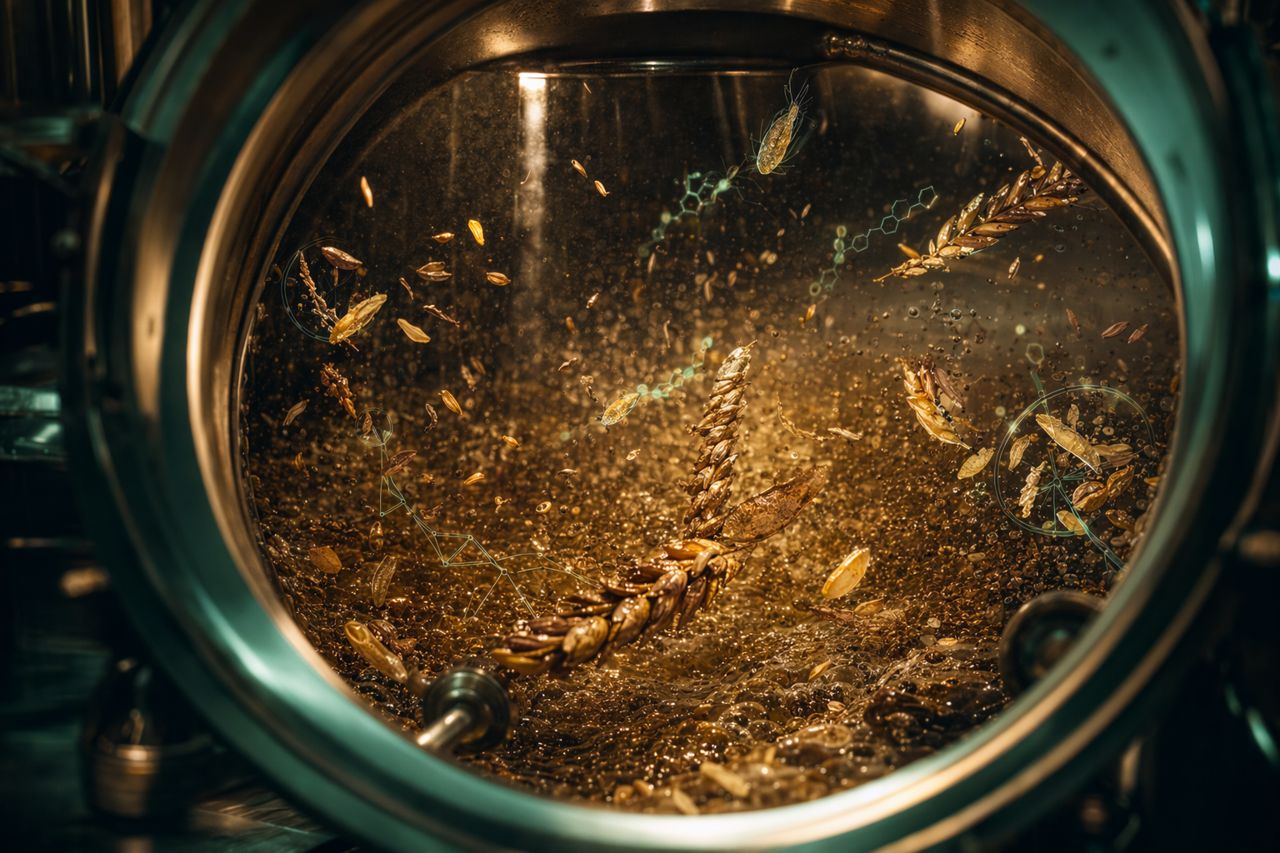
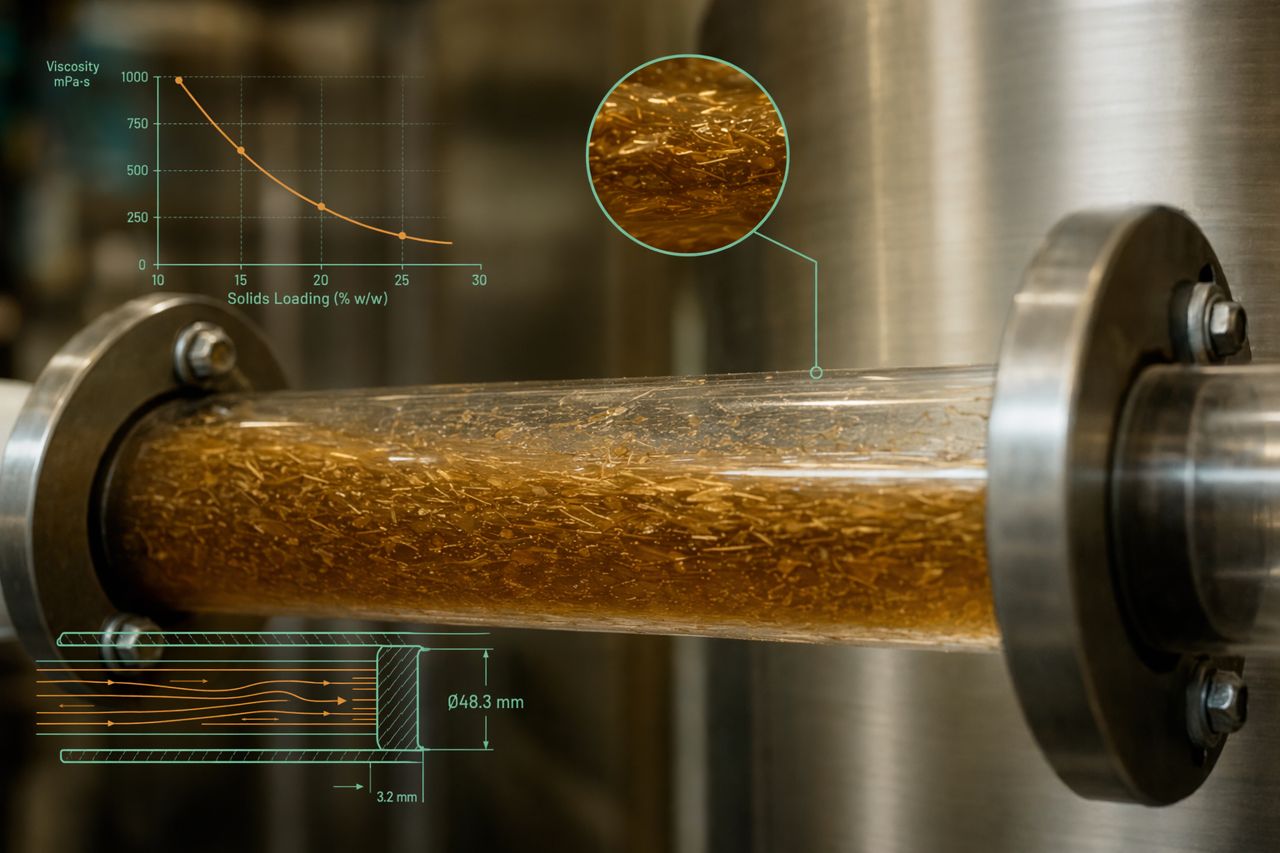
Distilling and bioethanol plants do not process starch alone. Wheat, rye, barley, sorghum, corn fiber, and lignocellulosic feedstocks all bring hemicellulose into the mash. That fibrous fraction can bind water, increase viscosity, restrict heat transfer, and limit how efficiently companion enzymes reach fermentable material.
Buying for production or resale? We supply xylanase for distilling mash and grain ethanol to distilleries, ethanol plants and resellers on a quote basis; send the feedstock, quantity and destination. Request a quote.
Xylanase Enzyme Solutions supplies Xylanase (endo-1,4-β-xylanase) for process teams building enzyme systems around real feedstock behavior, not generic formulation claims. It is used to selectively open xylan-rich cell-wall structures, especially arabinoxylan networks common in cereal grains and agricultural biomass.

Where xylanase fits in alcohol and bioethanol production
Xylanase is most useful where hemicellulose affects flow, conversion access, or downstream consistency. In practical terms, it is commonly evaluated in:
- Grain whisky, neutral spirit, and fuel ethanol mashes using wheat, rye, barley, triticale, or mixed grain bills
- Corn ethanol systems where fiber fractions influence slurry behavior and coproduct characteristics
- High-solids mashes where viscosity management is commercially important
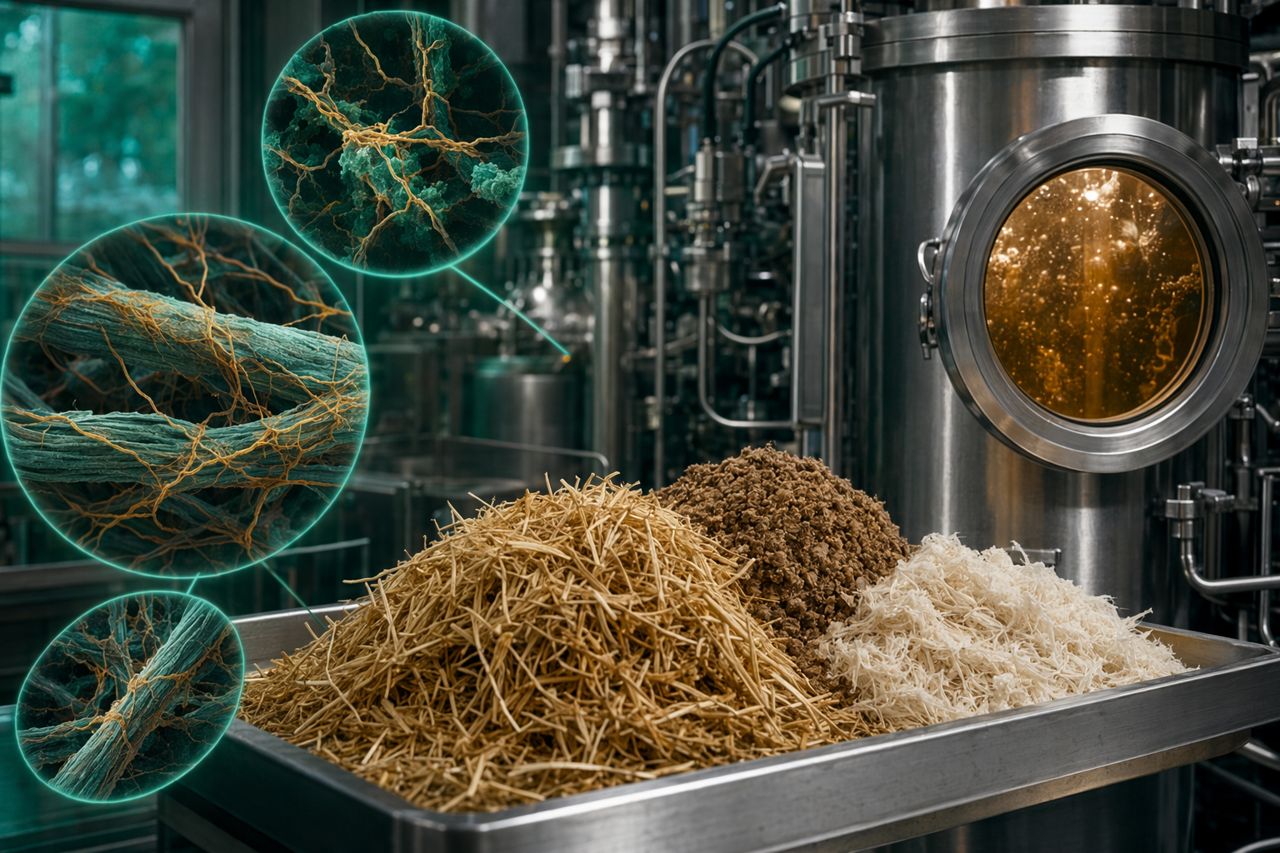
- Biomass conversion workflows using agricultural residues, straw, bran, bagasse, or pretreated plant material
- Enzyme blends paired with alpha-amylase, glucoamylase, protease, cellulase, beta-glucanase, or accessory hemicellulases
Functional role: opening the hemicellulose network
Xylanase cleaves internal linkages in xylan backbones. In a mash or hydrolysis system, that action can help loosen the plant cell-wall matrix surrounding starch granules, cellulose microfibrils, proteins, and soluble carbohydrate fractions.
For distilling and bioethanol buyers, the target outcome is not simply “more enzyme.” The target is a processable slurry with better substrate exposure and fewer fiber-driven bottlenecks.
Potential operational benefits may include:
- Lower mash viscosity in hemicellulose-rich grain systems
- Improved pumpability and mixing in high-solids processing
- More uniform heat transfer during cooking, liquefaction, or holding steps
- Better access for starch- and cellulose-converting enzymes
- Support for more consistent fermentation behavior
- Reduced variability when feedstock fiber profile changes seasonally
- Cleaner process handling in tanks, lines, and heat exchangers
Grain distilling applications
In cereal-based alcohol production, arabinoxylans can be a major contributor to mash thickness. This is especially relevant for wheat and rye, where soluble and insoluble fiber fractions can create heavy, elastic, difficult-to-move slurries.
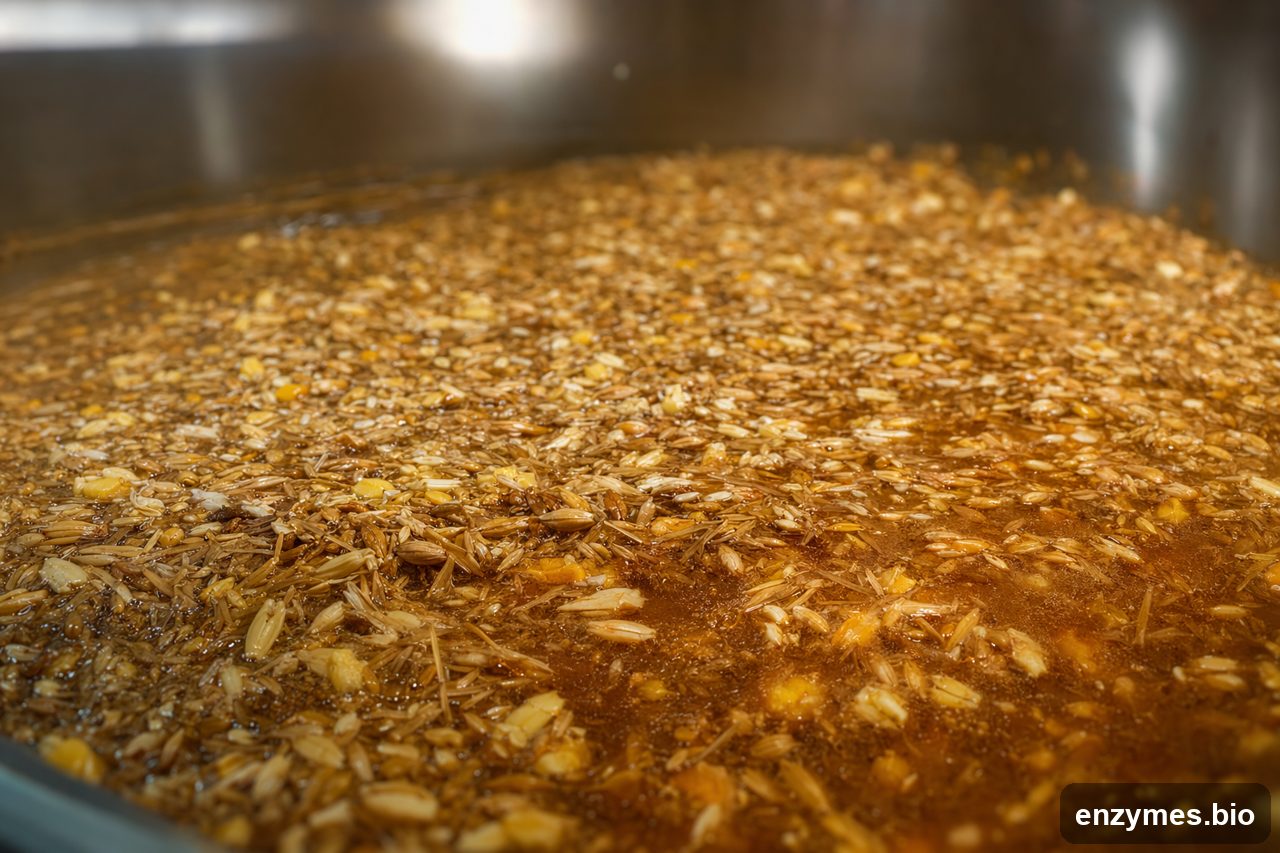
Xylanase can be considered when the plant is seeing:
- Thick mash at target solids
- Slow tank turnover due to pumping limits
- Uneven cooking or liquefaction behavior
- Fermentation inconsistency tied to grain variation
- Constraints when increasing grain inclusion rates
- Process pressure from energy, water, or throughput targets
The enzyme is typically assessed as part of the broader mash enzyme program. It does not replace starch hydrolysis enzymes; it improves the physical and structural environment in which those enzymes work.
Fuel ethanol and high-solids mash handling
In fuel ethanol operations, small improvements in slurry behavior can matter at scale. Hemicellulose-rich fractions may not be the primary carbohydrate target in a starch ethanol plant, but they can still affect movement, access, and conversion efficiency.
Xylanase is often evaluated where teams want to:
- Maintain higher solids without excessive viscosity
- Reduce mechanical stress on agitation and transfer systems
- Support liquefaction consistency across variable grain lots
- Improve exposure of entrapped starch and associated nutrients
- Build a more resilient enzyme package for mixed feedstock conditions
A successful trial should track process handling, fermentation indicators, conversion results, and coproduct impacts together. Viscosity alone is informative, but it is not the full commercial picture.

Biomass and cellulosic ethanol workflows
For lignocellulosic feedstocks, xylan is a structural barrier around cellulose. In these systems, xylanase is usually paired with pretreatment and cellulase systems to improve fiber accessibility before or during hydrolysis.
Common biomass evaluation areas include:
- Agricultural residues such as straw, stover, husks, bran, and bagasse
- Pretreated wood and pulp-derived feedstocks
- Fiber-rich side streams from grain processing
- Integrated hydrolysis systems where hemicellulose removal supports cellulose exposure
The right approach depends on pretreatment severity, lignin behavior, solids loading, process pH, thermal profile, and residence time. Xylanase Enzyme Solutions supports technical selection around those actual constraints.
Process variables that determine fit
Xylanase performance is feedstock-dependent. A grade that works well in one mash profile may not be the right choice for another. Before quoting or recommending a trial structure, we typically ask for:
- Feedstock type and inclusion level
- Particle size and milling approach
- Dry solids or mash concentration target
- Cooking, liquefaction, saccharification, and fermentation sequence
- pH and temperature windows at the intended addition point
- Hold time before fermentation or hydrolysis
- Companion enzymes already in use
- Current process pain points: viscosity, yield, throughput, heat transfer, pumping, or variability
- Any regulatory, plant, or documentation requirements for the intended market
Formulation and supply considerations
Xylanase can be specified for use in industrial enzyme systems where consistent handling, documentation, and lot-to-lot reliability matter. Selection may consider physical form, stability requirements, compatibility with the existing enzyme package, and the addition point in the plant.
For distilleries, ethanol plants and enzyme resellers, we offer:
- Application screening for grain or biomass feedstocks
- Fit assessment for existing mash enzyme programs
- Trial planning with commercially relevant endpoints
- Bulk supply quoted per order
- Information on which documents are available for the grade
How to evaluate a xylanase trial
A useful trial should be designed around the plant’s constraint. For distilling and ethanol applications, common endpoints include:
- Mash viscosity and transfer behavior
- Mixing and heating consistency
- Liquefaction or hydrolysis performance
- Fermentation progression and residual carbohydrate profile
- Throughput impact
- Energy or water-use implications
- Downstream separation behavior
- Coproduct quality considerations where relevant
The strongest evaluations compare enzyme treatment against a realistic plant baseline, using the same feedstock lot where possible.
Request a wholesale quote
We supply xylanase for distilling mash and grain or biomass ethanol in bulk to manufacturers, blenders, distributors and resellers, on a quote-only basis. To get a grade recommendation and a price, send the product or application, the quantity (trial lot, monthly or annual volume), the destination country, and the process step where the enzyme will be added. Form and pack size are quoted per order, and we tell you which documents are available for that grade.