Xylanase for Brewing, Wort Separation, and Cereal Adjunct Processing
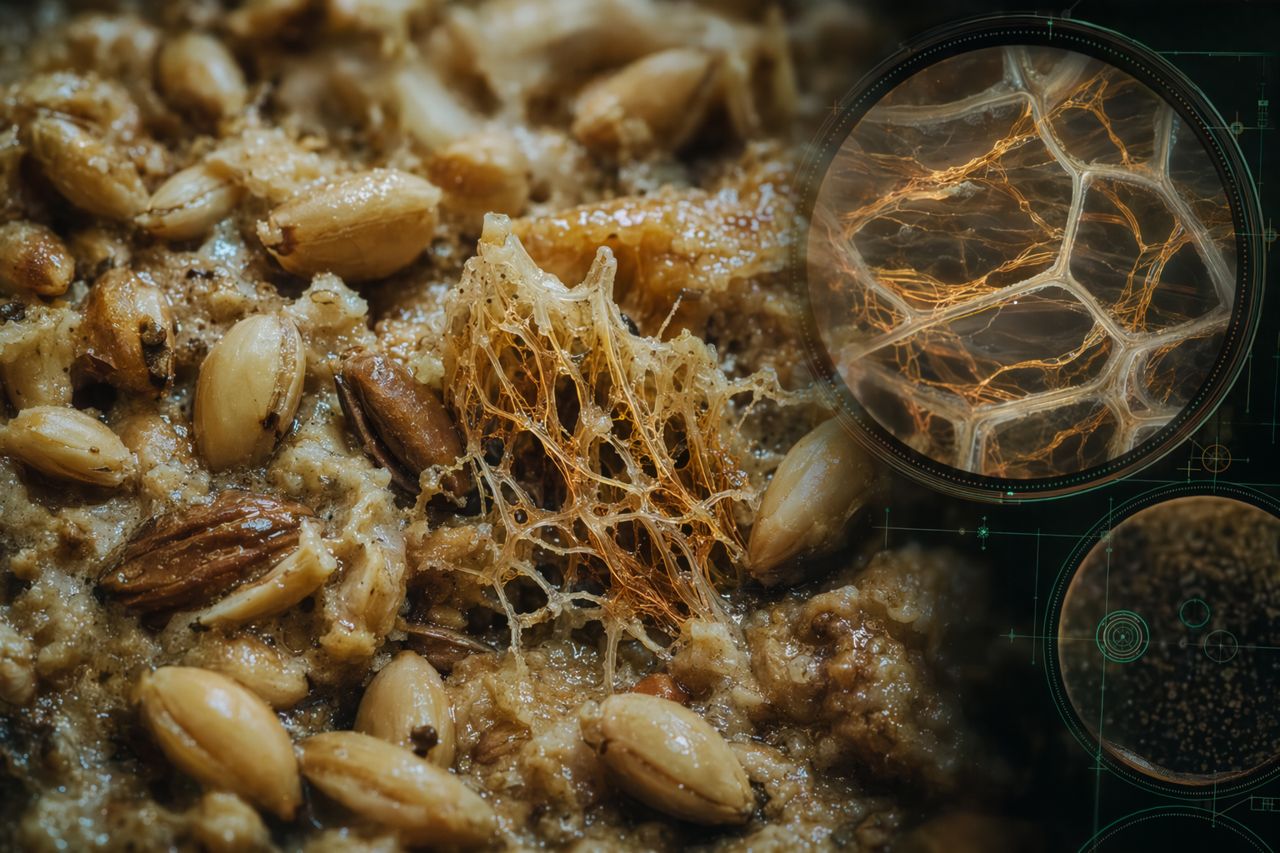
Brewing is a fiber-management problem as much as a starch-conversion problem. When wheat, rye, triticale, sorghum, corn fiber fractions, or high-fiber barley streams enter the brewhouse, arabinoxylans from cereal cell walls can increase mash viscosity, slow wort separation, and reduce extract access.
Buying for production or resale? We supply brewing xylanase to breweries, adjunct processors, brewing-ingredient suppliers and resellers on a quote basis; send the grain bill, quantity and destination. Request a quote.
Xylanase (endo-1,4-β-xylanase) is used to selectively open xylan-rich hemicellulose networks during mashing and adjunct preparation. The goal is not to over-process the mash. The goal is to reduce process drag where cereal fiber is limiting flow, extract recovery, and filtration consistency.
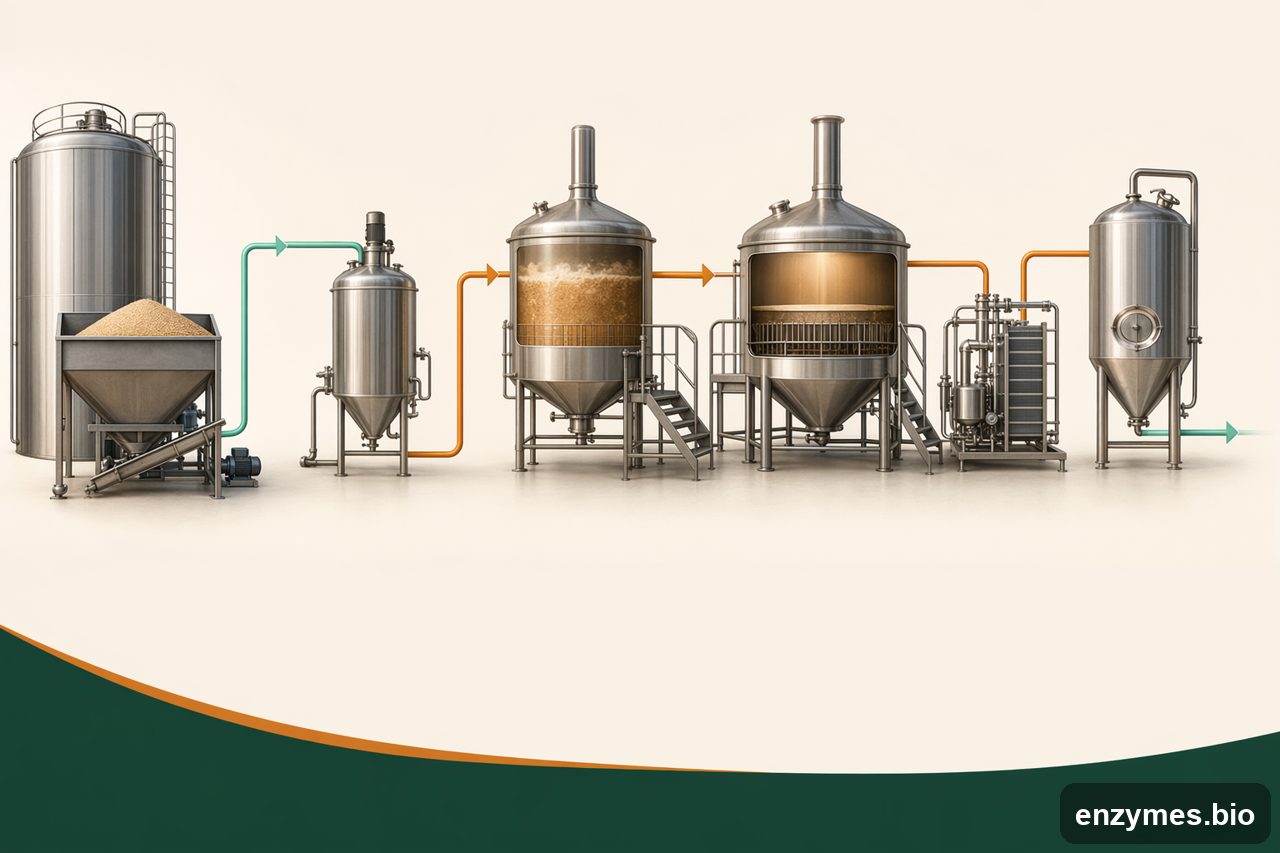
Where xylanase fits in brewing
Xylanase Enzyme Solutions is designed for process teams working with variable grain bills, cereal adjuncts, and high-throughput wort separation systems.
Typical use cases include:
- Wheat beer and rye beer mashes where arabinoxylan-driven viscosity can slow runoff
- Adjunct-heavy recipes that introduce additional cereal cell-wall material
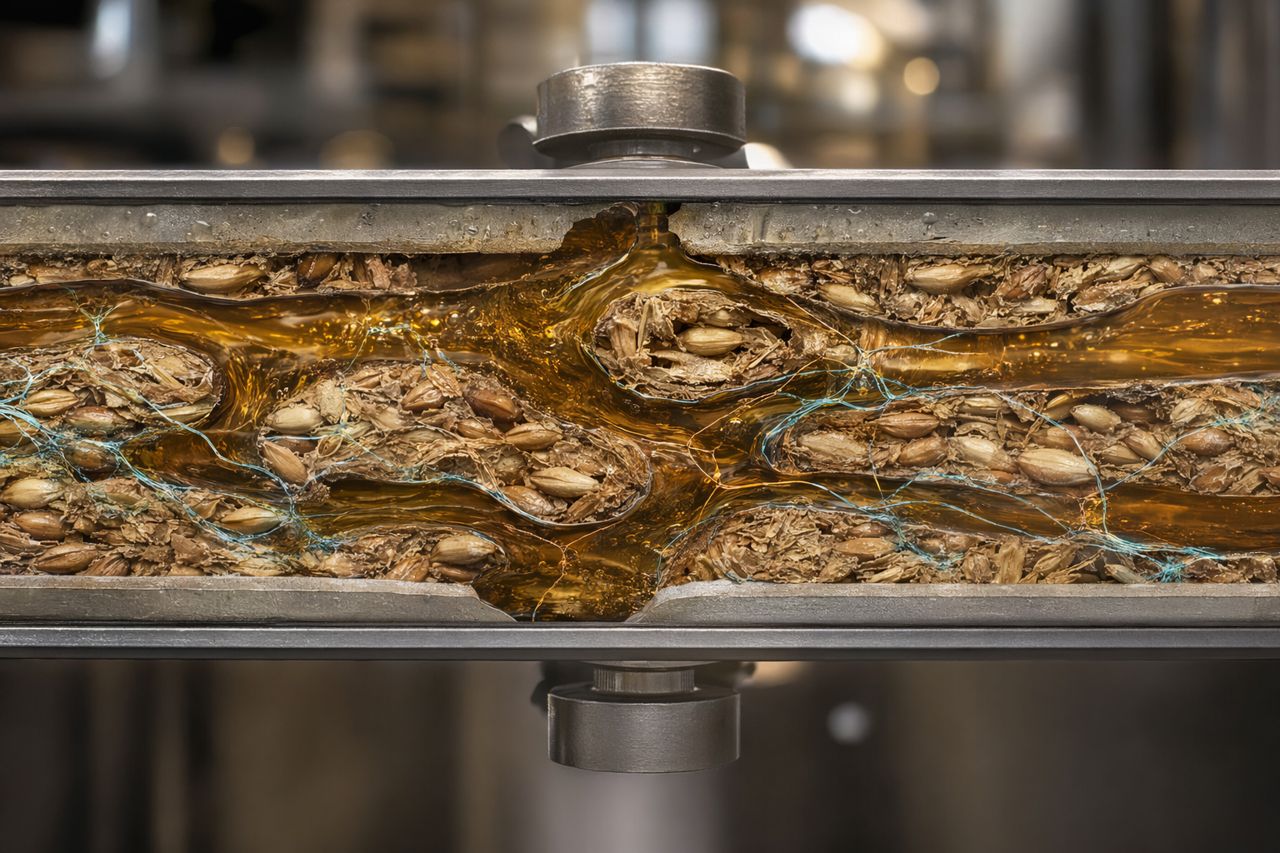
- Mash filter operations where compressible fiber and high viscosity reduce cycle efficiency
- Lauter tun operations requiring more predictable wort flow and bed permeability
- Cereal cooking or adjunct pre-treatment steps before conversion in the main mash
- Process trials aimed at improving extract release from xylan-rich raw materials
What xylanase acts on
Xylanase targets the β-1,4-linked xylan backbone found in arabinoxylans and related cereal hemicelluloses. In brewing materials, these polymers sit within the plant cell-wall matrix around starch and protein structures.
By cutting internal xylan linkages, Xylanase Enzyme Solutions helps loosen the fiber network. This can support:
- Lower mash and wort viscosity when arabinoxylans are a limiting factor
- Improved liquid release from milled cereal particles
- Better access to starch-bearing fractions during mashing
- More consistent wort separation under fiber-heavy conditions
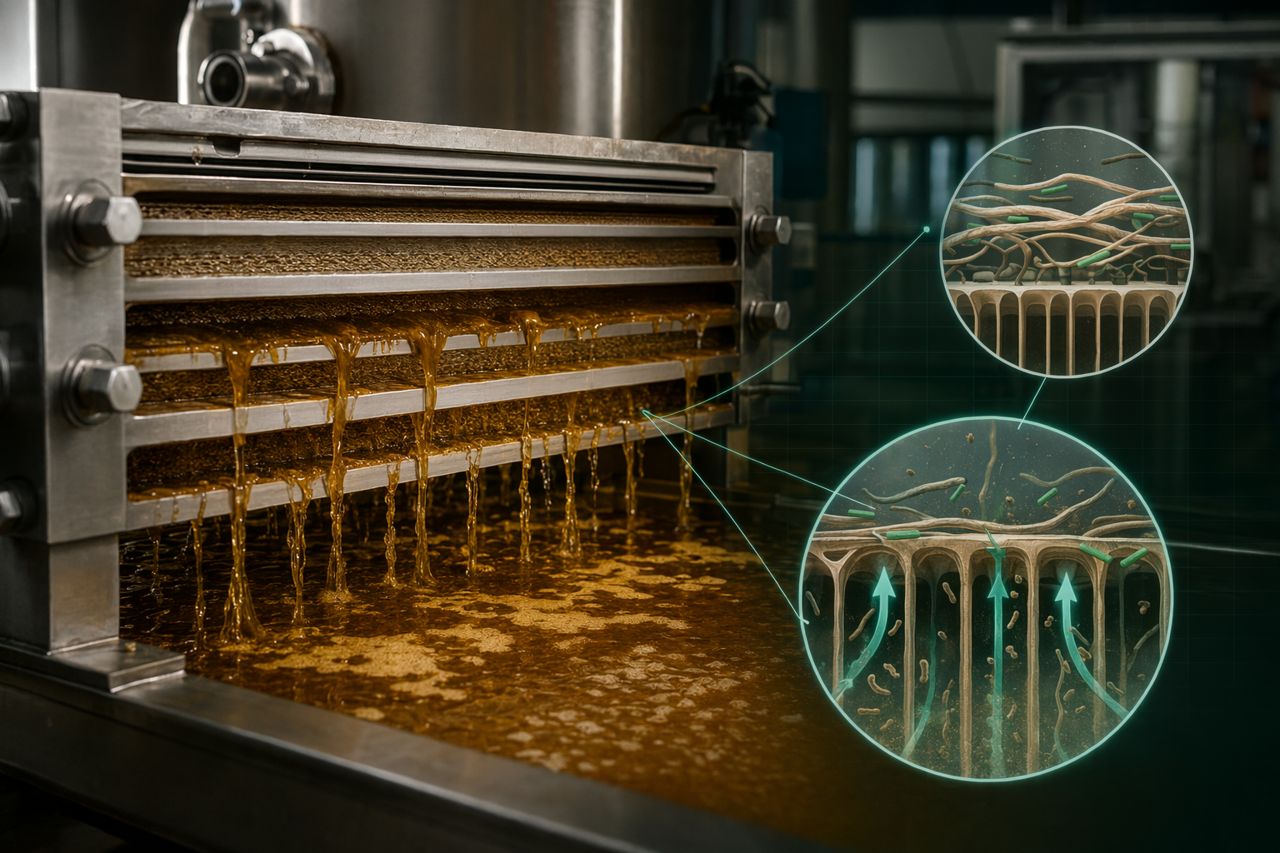
- Reduced pressure build-up or flow restriction in mash filtration systems
Xylanase Enzyme Solutions is not a replacement for malt quality, grind control, temperature program design, or β-glucan management. It is a targeted tool for xylan-rich hemicellulose control.
Practical manufacturing outcomes
Brewers usually evaluate xylanase by operational response, not by enzyme theory. In plant trials, the most useful indicators are:

- Mash viscosity trend versus the control brew
- Lauter runoff rate and total separation time
- Mash filter pressure profile and cycle stability
- Extract recovery from the same grist specification
- Wort turbidity and downstream filtration behavior
- Brewhouse throughput during adjunct-heavy campaigns
- Consistency between grain lots with different fiber loads
The strongest value case appears when the grist contains meaningful arabinoxylan load and the existing process is visibly constrained by separation, pumping, or extract release.
Application points
Xylanase Enzyme Solutions can be evaluated in several parts of the brewhouse depending on the raw material and process layout.
Main mash addition
For recipes using wheat, rye, or mixed cereal grists, Xylanase Enzyme Solutions can be introduced during mashing where water, milled grain, and process temperature allow contact with hydrated cell-wall material.
Adjunct pre-treatment
For cereal adjuncts that are cooked, held, or slurry-prepared before entering the mash, xylanase can be trialed in the pre-treatment stage to reduce fiber resistance before final conversion.
Mash filtration support
In mash filter systems, xylan-rich viscosity and fine cereal fiber can affect pressure rise, cake behavior, and cycle repeatability. Xylanase Enzyme Solutions can be positioned to improve the fluidity of the mash before filtration.
Lauter tun support
For lauter tun operations, xylanase may help reduce wort viscosity and improve runoff consistency when grist composition produces a dense or slow-draining grain bed.
Compatibility considerations
A successful xylanase trial depends on process fit. Before recommending a commercial use rate, Xylanase Enzyme Solutions reviews the brewing process and raw material profile.
Important inputs include:
- Grain bill and percentage of wheat, rye, or other xylan-rich adjuncts
- Malt specification and modification level
- Milling profile and expected flour fraction
- Mash program and enzyme contact window
- Lauter tun or mash filter configuration
- Current bottleneck: viscosity, separation time, pressure, extract, or filtration
- Any constraints from product style, haze target, or downstream stabilization
This information allows the trial to be designed around measurable brewhouse outcomes rather than generic enzyme addition.
Formulation options
Xylanase can be supplied in formats suited to industrial brewing and ingredient-processing workflows. Selection depends on handling preference, dosing equipment, storage practice, and whether the enzyme is added as part of a broader process-aid program.
Available discussion points include:
- Liquid versus dry handling preference
- Direct addition versus pre-dilution workflow
- Compatibility with existing process-aid dosing systems
- Trial pack sizing for pilot, plant, and multi-brew validation
- Documentation needs for procurement and quality review
Trial design for brewhouse validation
A strong trial compares matched brews with the same grist, water profile, milling target, and mash program. Xylanase Enzyme Solutions recommends tracking both lab and plant indicators.
Suggested trial metrics:
- Baseline mash viscosity or practical flow observation
- Time to first wort and total wort collection time
- Mash filter pressure trend or lauter runoff curve
- Extract recovery against the control brew
- Wort clarity or turbidity trend where relevant
- Downstream filtration load or stabilization impact
- Operator observations on pumping, bed behavior, and cycle repeatability
For adjunct-heavy recipes, multiple raw material lots may be needed to confirm that the response is robust and not limited to one cereal supply.
When xylanase is most likely to help
Xylanase Enzyme Solutions is most relevant when the process shows one or more of the following symptoms:
- Wheat or rye inclusion creates a slower runoff than the core barley malt recipe
- Mash filter pressure rises earlier than expected
- Adjunct processing produces a thick or poorly pumpable slurry
- Extract recovery is below target despite adequate starch conversion
- Wort separation varies significantly by grain lot
- Downstream filtration load increases after high-fiber recipe changes
If the bottleneck is mainly β-glucan, protein haze, poor milling, or undersized separation equipment, xylanase may need to be paired with other process corrections.
Procurement and technical support
Xylanase Enzyme Solutions supports B2B evaluation for breweries, adjunct processors, brewing ingredient suppliers, and beverage R&D teams. We can help define a trial plan, recommend a starting formulation format, and align documentation with your internal qualification process.